




The WHOOP strap is a screenless performance wearable designed to optimize recovery, sleep, and cardiovascular strain through continuous biometric monitoring. By analyzing heart rate variability (HRV) and skin temperature, it provides personalized coaching via a subscription model, focusing purely on data-driven health insights rather than traditional smartwatch notifications.
What exactly is the WHOOP strap and how does it change your training?
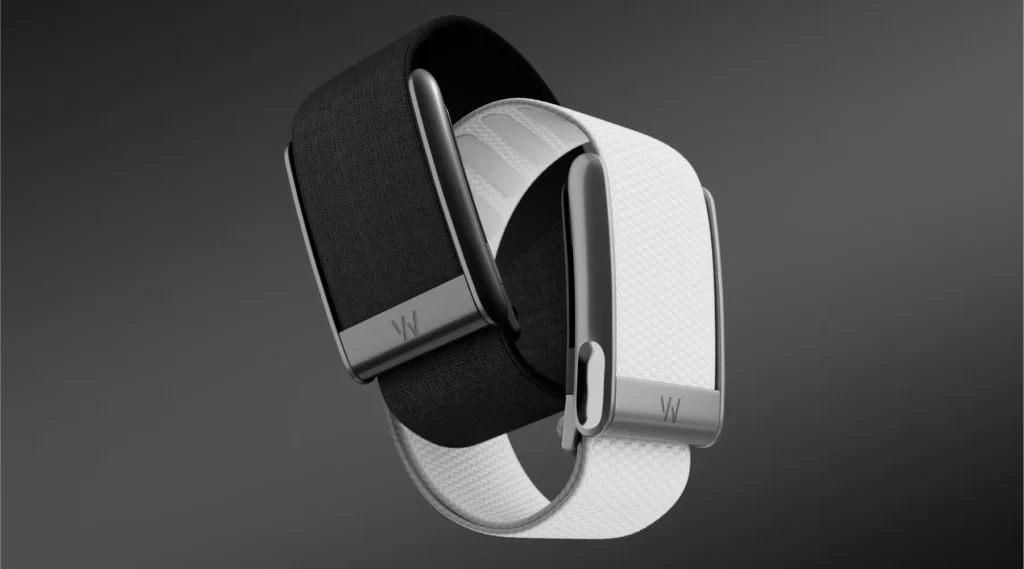
If you are looking for a gadget that simply tells the time or counts your steps, let me be clear: WHOOP is not for you. It is much more than a standard tracker; it is a dedicated system for those who want to master their internal physiology. The WHOOP strap acts as your 24/7 digital coach, designed to help you train smarter, not harder. In a world where we are constantly distracted by buzzing wrists and notification light, WHOOP intentionally omits the screen. This allows you to stop looking at a display and start listening to your body.
The system is built on three fundamental pillars: Recovery, Strain, and Sleep. Every morning, you are greeted with a recovery score—a percentage that tells you exactly how prepared your nervous system is for the day ahead. It turns the guesswork of “should I go hard today?” into a precise science. Whether you are an elite athlete, a CrossFit enthusiast, or a high-performing professional, WHOOP evaluates how you handle stress, both from the gym and from life, ensuring you don’t burn out before you reach your goals.
Why is the screenless design considered a major advantage?
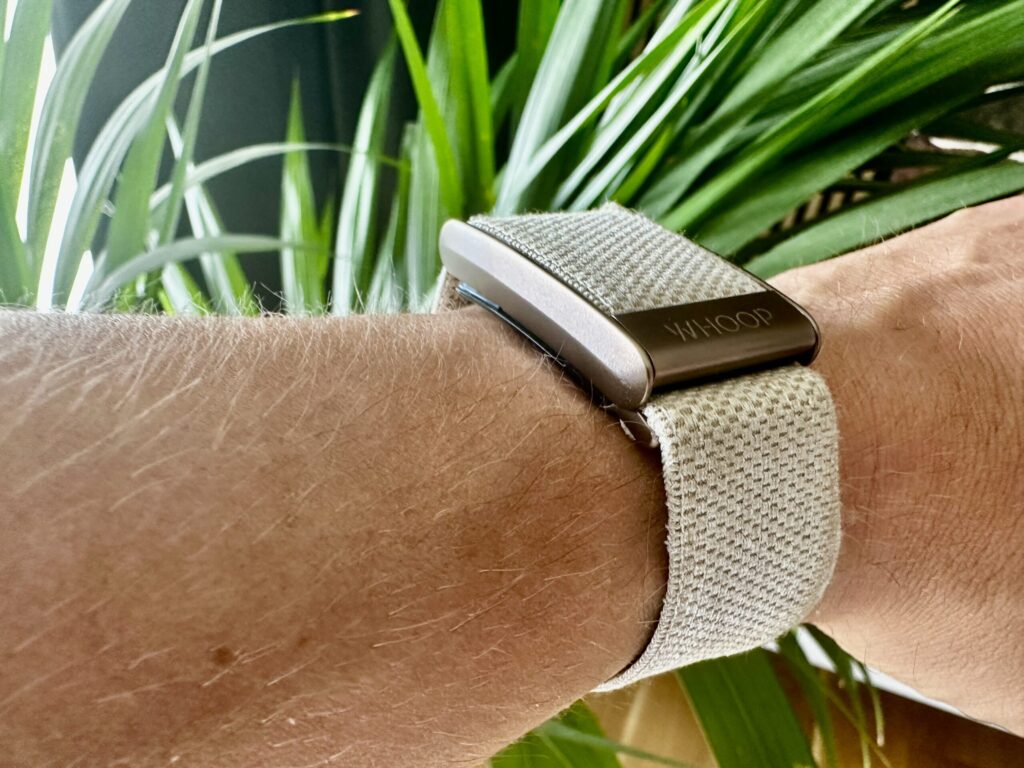
Most users coming from an Apple Watch or Garmin feel a bit lost at first. No clock face? No text messages? That is precisely where the power of WHOOP lies. It is a tool for people who want to break the loop of constant digital checking. Because it is so low-profile, you can wear it alongside a high-end mechanical watch or hide it under a shirt cuff. Furthermore, the “Any-Wear” technology allows you to remove the sensor from the wrist strap and place it in specially designed clothing—like boxers, armbands, or sports bras. This significantly increases heart rate accuracy during high-intensity movements where wrist-based sensors often fail.
WHOOP capabilities – what can this system actually do in 2026?
The system’s capabilities extend far beyond simple pulse tracking. WHOOP is a sophisticated analytical engine that spends its first few weeks “learning” your body to establish your unique physiological baseline.
- Real-Time Stress Monitoring: The device detects when your body enters a “fight or flight” state, helping you manage emotional and mental load throughout the day.
- Healthspan and WHOOP Age: These modern metrics evaluate your body’s aging process based on cardio-respiratory data, letting you know if your heart is “younger” or “older” than your actual age.
- Sleep Coach: This isn’t just about detecting sleep phases. WHOOP tells you exactly how much sleep you need based on your previous sleep debt and today’s physical exertion.
- WHOOP Journal: A daily survey where you track variables like alcohol consumption, magnesium supplementation, blue light exposure, or sauna sessions. After a month, you get a report showing exactly what improves your recovery and what ruins it.
- Health Alarms: The system monitors deviations in resting heart rate, respiratory rate, and skin temperature, often flagging an oncoming illness days before you feel any symptoms.
What is new in the Peak and Life plans?
In the latest iterations of the ecosystem, such as WHOOP 5.0, the manufacturer has pushed the boundaries of wearable tech. The Peak plan is tailored for those who need maximum battery longevity—lasting 14+ days—and deep insights into Healthspan metrics. Meanwhile, the Life plan introduces medical-grade features. This includes an on-demand Heart Screener for ECG readings and AFib detection. It is a powerful tool for those focused on longevity, though users should note that these features may vary based on regional medical certifications.
WHOOP price – how much does it cost to join the ecosystem?
A common question among potential users is: WHOOP how much does it cost, and why can’t I just buy it once? The WHOOP business model is entirely subscription-based. You aren’t paying for the “piece of plastic” on your wrist; you are paying for the algorithms, the app, and the constant software evolution. This approach can be polarizing, but it ensures you always have the latest features without needing to buy a new device every year.
| Plan / Period | Estimated Price (USD/EUR) | Monthly Cost (Approx.) | What’s Included? |
| Monthly (12-mo commit) | ~$30 / month | $30 | Standard strap + full app access |
| Annual (Paid Upfront) | ~$264 | ~$22 / month | Discount for commitment, full analytics |
| 2-Year (Paid Upfront) | ~$444 | ~$18 / month | Best value for long-term optimization |
| ONE / PEAK / LIFE Bundles | $183 to $366 | Varies | Specialized bundles with extra hardware |
It is worth looking for promotions, as the sensor itself is often included for “free” when you sign up for an annual membership. However, keep in mind that if you stop paying, your WHOOP strap essentially becomes a bracelet—without an active subscription, you lose access to all historical and real-time data.
WHOOP reviews – what are users saying?
When looking at WHOOP reviews, there is a clear divide. Data nerds and biohackers love it. They praise how accurately the device captures the negative impact of a late-night meal or a single glass of wine on sleep quality. “It opened my eyes to how much my weekend habits were killing my performance,” is a frequent sentiment in the community.
On the other hand, what are the WHOOP reviews like from people looking for a smartwatch? Those users are often disappointed. If your priority is controlling music, making contactless payments, or answering calls, you will find it frustrating. The subscription model also receives criticism. For those used to “owning” their hardware, paying a monthly fee can be a psychological barrier. However, those who view it as an investment in their health—similar to a gym membership—usually find the value proposition compelling.
Should you switch from Garmin to WHOOP?
It depends on what type of athlete you are. If you are a marathon runner who needs live maps and pacing on your wrist, stick with Garmin. But if you do CrossFit, strength training, or martial arts—or if you simply want to know how your body recovers from a stressful day at the office—WHOOP is likely the better choice. Many people now opt for “dual-wearing”: Garmin for the workout, and WHOOP 24/7 for the recovery analytics.
WHOOP for whom? Is this device for you?
Wondering WHOOP for whom it was actually designed? The manufacturer doesn’t try to appeal to everyone. This is a tool for people who are willing to change their habits based on what the data says.
- Athletes and High Performers: If you train 4-6 times a week and worry about overtraining, WHOOP tells you exactly when to push and when to take a rest day.
- People with Sleep Issues: The depth of sleep analysis and the “Sleep Coach” feature can genuinely help you fix your circadian rhythm.
- Biohackers and Longevity Fans: Insights into HRV, skin temperature, and “Healthspan” are a goldmine for anyone obsessed with living longer and healthier.
- Minimalists: If you want the data but hate the look of bulky sports watches or the distraction of a glowing screen.
How to start your journey with recovery monitoring?
If you’ve decided to pull the trigger, the process is straightforward but requires patience. This is not a device that gives you all the answers on day one.
- Select Your Membership: Decide if you want the flexibility of monthly payments or the savings of a yearly commitment.
- Calibration (First 4 Days): During the first few days, WHOOP learns your baseline resting heart rate and HRV. Results may fluctuate during this period.
- Establishing a Baseline (30 Days): After a month of wear, the system fully understands your physiological responses. This is when you start getting the most valuable monthly performance reports.
- Daily Journaling: Do not skip this! The correlation between your behaviors (e.g., taking creatine, reading before bed) and your recovery is the most powerful part of the experience.
Is it worth investing in WHOOP?
The question of WHOOP is it worth it comes down to one thing: are you going to use the data? If you just want a fashionable wristband, it is a waste of money. There are cheaper trackers that can count your pulse. But if you want a system that forces you to reflect on why you feel sluggish and tells you how to fix it, the investment pays off. In an era of chronic stress, knowing that your nervous system is in the “red zone” can save you from burnout or injury.
The community is growing fast, and the app remains one of the most intuitive and scientifically grounded on the market. Considering the rising prices of electronics, a subscription that includes hardware updates and AI-driven insights is becoming a standard for those serious about their health.
Glossary of Key WHOOP Terms
- Strain: A score from 0-21 measuring cardiovascular load. It includes workouts, work stress, and even a busy day of chores.
- Recovery: A percentage (0-100%) indicating how ready your body is for strain. Calculated via HRV, resting heart rate, and sleep quality.
- HRV (Heart Rate Variability): The variation in time between heartbeats. Higher HRV generally indicates a well-rested and adaptive nervous system.
- Sleep Performance: The ratio of the sleep you actually got vs. the sleep your body required based on previous strain and sleep debt.
- Healthspan: A metric evaluating the current state of your internal systems in the context of biological aging.
FAQ – Frequently Asked Questions about WHOOP
Is the WHOOP strap waterproof?
Yes, you can shower, swim, and use the sauna with the device. However, the standard knit strap takes a while to dry, so many users purchase specialized “Hydro” straps for water sports or silicone bands that don’t absorb moisture.
How long does the battery last?
The battery typically lasts between 4 and 5 days. High-end plans like Peak can extend this to 14+ days. A unique feature is that you charge it without taking it off; you simply slide a small battery pack onto the strap while you wear it.
Does it count steps?
WHOOP does not focus on step counting because it doesn’t view it as an accurate measure of cardiovascular fitness. It prioritizes “Strain.” While activity data is available, you won’t find a “10,000 steps” goal as a primary metric.
Can I use WHOOP without a phone?
The device stores several days of data locally, but you need a smartphone and the app to view and analyze your results. It syncs via Bluetooth to upload data to the cloud for processing.
Does WHOOP work with Apple Health and Google Fit?
Yes, it integrates seamlessly with both. This allows for data exchange regarding workouts, weight, and other health metrics across your favorite fitness apps.
TL;DR – Summary in a nutshell
- What it is: A minimalist, screenless wearable for tracking recovery, strain, and sleep.
- For whom: Athletes, biohackers, and anyone looking to optimize their lifestyle through HRV data.
- Pricing: Subscription-based (approx. $30/month or less with annual plans).
- Pros: Deep sleep analysis, recovery coaching, no distractions, very discreet.
- Cons: No smartwatch features (no GPS on-wrist, no payments), recurring monthly cost.


Leave a Comment